
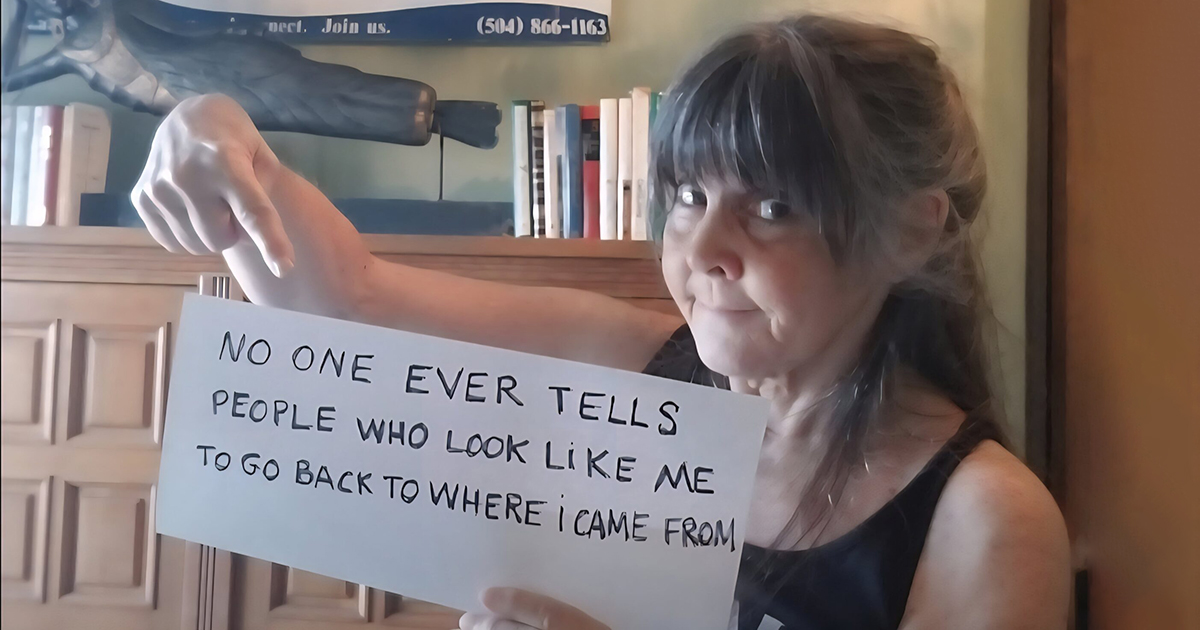
Some stories shake the ground beneath us, stories that demand we look up, take stock, and question what we’ve accepted as “normal.” This is one such story. It’s the story of a woman whose life, from pain and uncertainty to awakening and advocacy, became a beacon for anti-racism work in America. Her journey isn’t just personal. It reflects the struggles of many and lights up a path toward justice, empathy, and transformation. In a world where racism often hides behind silence, her voice matters now more than ever.
The Spark: What Triggered the Journey
For her, the awakening wasn’t loud or dramatic. It wasn’t a headline moment. It was a subtle comment, a prejudice overlooked, a dismissal disguised as ignorance. Maybe it was seeing injustice play out in daily life. Maybe it was realizing how some people’s skin, background, or name opened doors while for others, the same doors stayed shut.
At that moment, small, quiet, intimate, something cracked inside. It forced a question: Why are things this way?
That question led to doubt. Doubt about fairness. Doubt about societal “norms.” And eventually, the beginning of a search. A search for answers. A search for truth.
The Struggle, Pain, Challenges, and Inner Conflict
Once awareness dawned, comfort turned into discomfort. She felt guilt, shame, and confusion. Sometimes she asked herself, “How did I not see this before?” Other times: “If I speak up, will I lose more than I gain?”
External pressures weren’t easy either. Some people dismissed her concerns. Others told her she was “overreacting.” Institutions remained unchanged. Silence seemed safer. But silence also meant complicity.
Still, she persisted not because it was easy, but because justice rarely is. Change never is.
The Turning Point From Awareness to Action
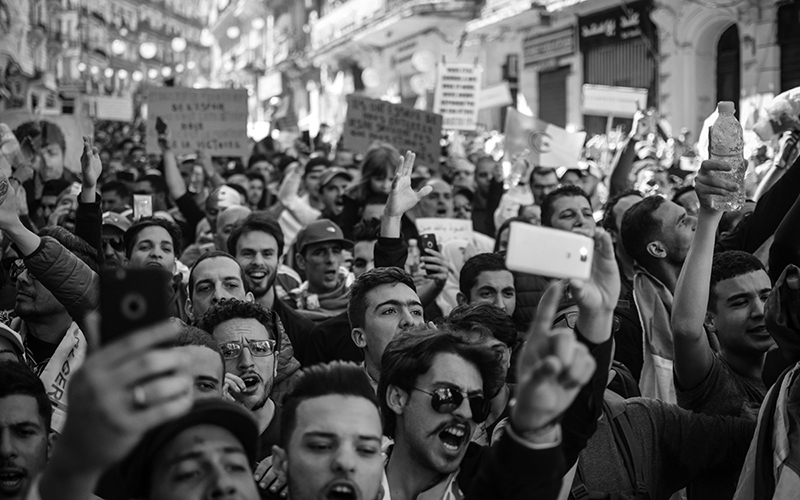
Something finally shifted. The pain, the confusion, the inner conflict, they transformed into resolve. She realized: empathy without action is just sympathy. Awareness without voice is just ignorance.
So she started writing. Sharing her experiences. Speaking up. Telling a story that many wouldn’t tell a story about privilege, prejudice, and injustice. Her personal narrative became a mirror reflecting uncomfortable truths that many preferred to ignore.
She reached out to others. Found allies. Discovered community. And slowly, step by step, began building momentum.
Her Anti‑Racism Work, What She Did (Writing, Advocacy, Community Work)
Her work took many forms. She wrote a memoir. Shared personal essays. Engaged with readers and activists. Used her story to amplify voices silenced by systemic racism.
But beyond writing, she chose solidarity. She supported victims of injustice. She spoke up at events. She offered a platform for marginalized voices. She helped others find their voice by first speaking hers.
Her journey became more than a story: it became a movement, small but real. And in a world clouded with apathy, that little spark can start a wildfire.
Why Personal Stories Matter More Than Statistics
Because data and statistics, while important, don’t always move hearts. They inform minds. They outline problems. But they don’t always inspire change.
Stories do. They humanize. They create empathy. They allow people to step into someone else’s shoes to feel their pain, their fear, their hope.
Researchers studying anti‑racism education have found that personal narratives, especially from white allies who choose to confront racism, can help readers understand their own role in systemic structures and feel empowered to act.
When a story is told with honesty, showing vulnerability, guilt, and struggle, it becomes more than a testimony. It becomes a tool for change. It challenges apathy, evokes empathy, and invites reflection.
The Impact of How Her Journey Became a Beacon for Others
Her voice reached people who thought racism was a thing of the past. It reached those who believed privilege gave immunity. It reached hearts clouded with silence.
Through her writing and activism, she helped others see the subtle biases, the systemic inequalities, the quiet injustices. She gave a name to what many felt but couldn’t articulate. She gave courage to those who feared speaking up.
In communities, conversations changed. Perspectives shifted. Allies formed. And slowly, empathy grew.
That’s the power of one story. One voice. One person’s courage.
What Readers Can Learn & Do Your Role in Anti‑Racism
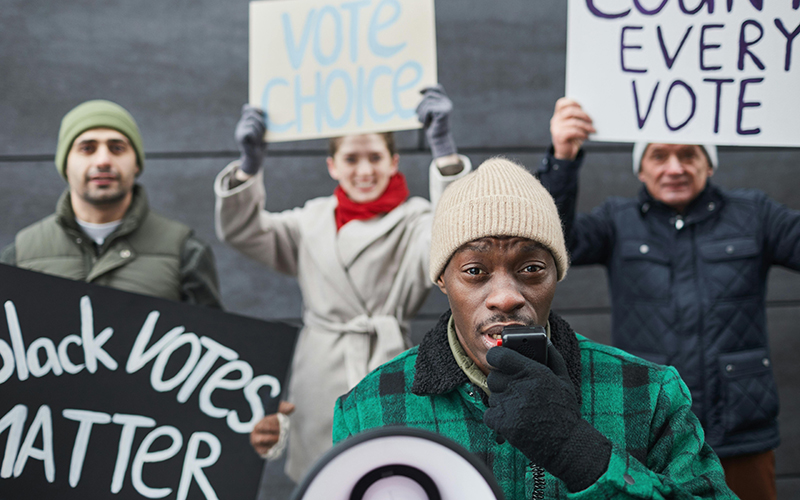
You don’t need to be an activist, a writer, or a scholar to make a difference. You just need to listen. To read. To reflect. To share.
If this story touches you, let it. Let it challenge you. Let it move you. Then ask yourself: What can I do?
Maybe you share this story with someone. Maybe you start a conversation about race and justice. Maybe you support marginalized voices. Maybe you find the courage to speak your own truth.
Because change doesn’t always begin with marches or hashtags. Sometimes, it begins with a story. A voice. A decision to act.
Final Thoughts
In America’s long fight against racism, there are many battles. But perhaps the most important battle is the one within our minds, our hearts, our silence. Stories like this, raw, honest, and personal help us fight that battle. They remind us that behind every statistic, every headline, every policy, there are human lives. Real lives. People who deserve dignity, respect, and equality.
One woman’s journey may have begun in sorrow, pain, and confusion. But her courage turned it into a beacon of hope, resistance, and change. And when we listen, empathize, and act, that beacon becomes a light for many.
Frequently Asked Questions
Q1: What counts as “anti‑racism work”?
A: Anti‑racism work includes anything that challenges racism sharing personal experiences, educating others, supporting marginalized voices, advocating for justice or equality.
Q2: Why are personal stories effective for social justice and anti‑racism?
A: Because stories turn abstract issues into human experiences they build empathy, help people understand injustice deeply, and inspire action.
Q3: Can sharing personal trauma publicly be helpful or safe?
A: Yes if done thoughtfully. Sharing can give voice to pain, help healing, and spotlight systemic issues; but one should ensure emotional readiness and support mive environment.
Q4: How can one person’s story influence broader social change?
A: A powerful story can reach many, change minds, spark conversations, encourage empathy which can lead to collective awareness, support, and change.
Q5: As a reader, how can I support anti‑racism after reading such a story?
A: You can listen, learn, share the story, talk about racism openly, support marginalized voices, challenge injustice when you see it even small acts count.